
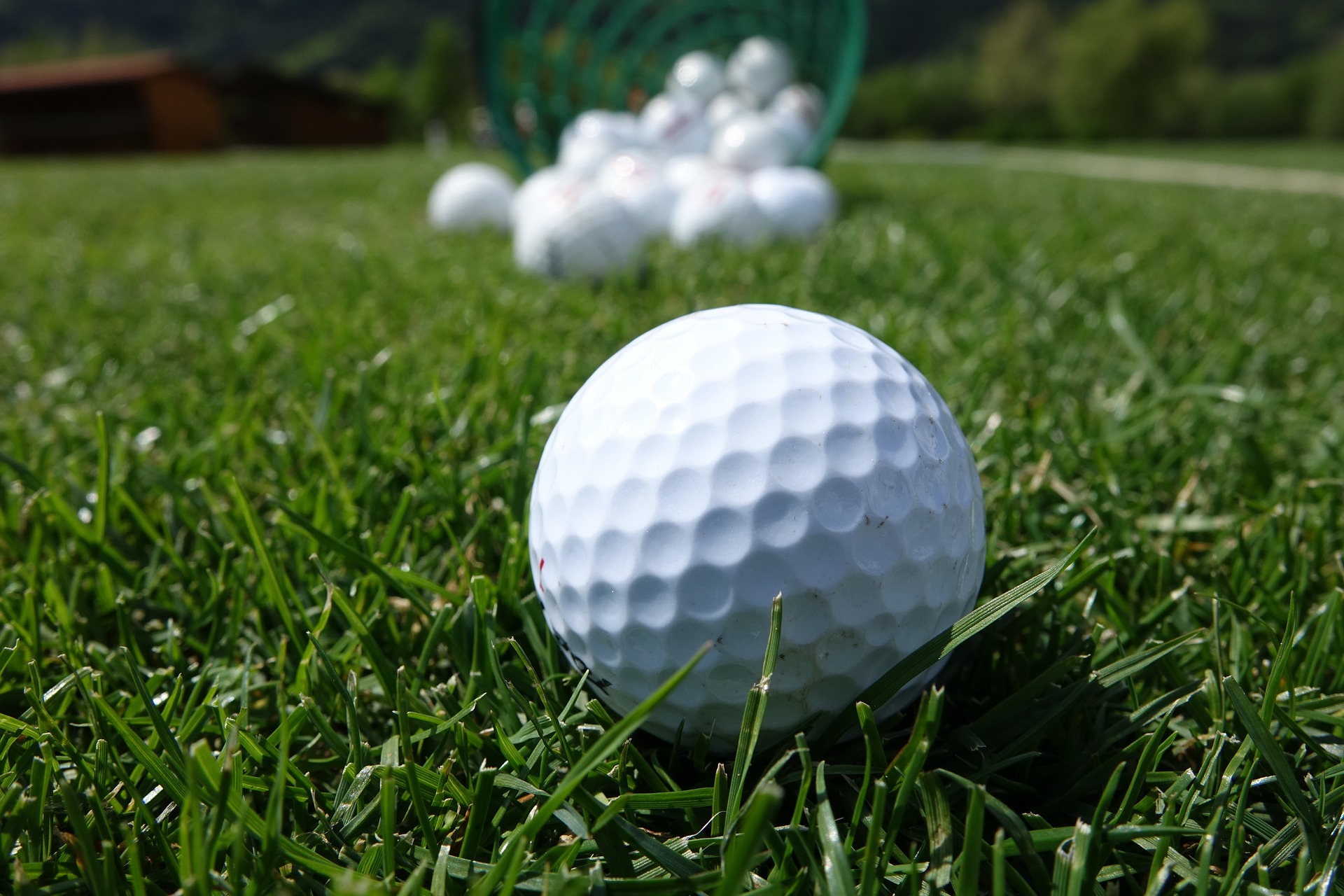
Finding the right golf ball can shave strokes off your scorecard without changing a thing about your swing. If you are a high handicapper (18+), you need a ball built for forgiveness, distance, and a straight flight — not the tour-level spin monsters the pros play.
We tested dozens of balls and narrowed it down to 8 that deliver the best combination of distance, durability, and value for high-handicap golfers. Whether you are working on breaking 100 or just want to stop losing a sleeve every three holes, one of these balls is right for you.
Not sure which ball suits your game? Try our Golf Ball Fitting Tool for a personalized recommendation in 60 seconds. Or check our guide to the best golf balls for slow swing speeds.
Quick Picks
- Best Overall: Callaway Supersoft — Softest feel with reliable distance
- Best Value: Wilson Duo Soft+ — Tour-level softness at half the price
- Best for Distance: Titleist TruFeel — Low spin for max carry
- Straightest Flight: Bridgestone e6 — Built to reduce slices and hooks
- Budget King: TaylorMade Noodle — 15-ball packs at rock-bottom prices
- Most Affordable: Pinnacle Soft — Quality golf at $17/dozen
- Best Bulk Buy: Vice Drive — Direct-to-consumer savings
Comparison Table
| Ball | Compression | Pieces | Feel | Price/Doz | |
|---|---|---|---|---|---|
| Callaway Supersoft | 35 | 2 | Ultra Soft | ~$25 | Check Price |
| Wilson Duo Soft+ | 35 | 2 | Very Soft | ~$20 | Check Price |
| Titleist TruFeel | 60 | 2 | Soft | ~$24 | Check Price |
| Srixon Soft Feel | 60 | 2 | Soft | ~$22 | Check Price |
| Bridgestone e6 | 50 | 2 | Soft | ~$25 | Check Price |
| TaylorMade Noodle | 34 | 2 | Very Soft | ~$18 | Check Price |
| Pinnacle Soft | 60 | 2 | Soft | ~$17 | Check Price |
| Vice Drive | 55 | 2 | Soft | ~$16 | Check Price |

The Supersoft lives up to its name with a 35 compression core that feels like hitting a marshmallow. It generates low spin off the driver for straighter flights and decent distance, while the HyperElastic SoftFast Core gives surprising pop. For high handicappers, the combination of forgiveness and feel is unbeatable.
Pros
- Extremely soft feel at impact
- Low driver spin reduces slices
- Good distance for the compression
Cons
- Less greenside spin than premium balls
- Can feel mushy to faster swingers

The Duo Soft+ matches the Supersoft on compression at just 35, making it one of the softest balls on the market. Wilson’s VelocitiCOR technology maximizes energy transfer for more distance. At around $20/dozen, it is a genuine bargain that does not sacrifice performance.
Pros
- Excellent price-to-performance ratio
- Very soft feel at impact
- VelocitiCOR for added distance
Cons
- Durability could be better
- Less spin on approach shots

Titleist engineered the TruFeel specifically for golfers who want a soft feel without giving up distance. The TruTouch core keeps compression at a manageable 60, and the thin TruFlex cover gives decent greenside control. It is a noticeable step up from budget balls without the premium price tag.
Pros
- Titleist quality at a mid-range price
- Good balance of distance and feel
- Low spin for straighter drives
Cons
- Slightly firmer than Supersoft or Duo
- Higher price than budget picks

The Soft Feel has a FastLayer Core that starts soft in the center and gradually firms toward the outer edge. This gives high handicappers the soft impact feel they want with enough structure for decent ball speed. The 338 Speed Dimple pattern cuts through wind well, making it a reliable performer in all conditions.
Pros
- FastLayer Core for soft feel + speed
- Wind-cutting dimple design
- Great all-around performer
Cons
- Not as soft as Supersoft or Duo
- Cover can scuff on cart paths

Bridgestone designed the e6 specifically to reduce side spin, making it one of the straightest-flying balls for high handicappers. If you struggle with a slice or hook, this ball actively fights those tendencies. The Delta Wing Dimple pattern enhances aerodynamics for a piercing trajectory that holds its line.
Pros
- Reduces slices and hooks significantly
- Excellent aerodynamic dimple design
- Consistent, straight ball flight
Cons
- Less greenside spin than tour balls
- Higher price than budget options

TaylorMade Noodle Long & Soft
15-ball packs at rock-bottom prices — a budget favorite for decades.
~$18/dz
The Noodle has been a budget favorite for decades, and the current version delivers impressive distance at rock-bottom prices. At 34 compression, it is one of the softest balls available and comes in packs of 15 instead of 12, sweetening the deal. If you lose a lot of balls, this is the one to stock up on.
Pros
- 15-ball packs for extra value
- Ultra-soft 34 compression
- Proven reliability over decades
Cons
- Basic cover with less spin control
- Not the longest off the tee

At around $17/dozen, the Pinnacle Soft is the cheapest quality option on this list. It is a no-frills ball with a soft ionomer cover and low compression core. Perfect for golfers who lose a lot of balls and want reliability without the sting of losing a $4 ball in the water.
Pros
- Lowest price on the list
- Soft feel for the money
- Durable ionomer cover
Cons
- Basic dimple pattern
- Less distance than pricier options
Vice sells direct-to-consumer, cutting out retail markups. The Drive is their distance-focused offering with a surlyn cover for durability and a 55 compression core. Buy in bulk (5 dozen) and the per-ball price drops even further — as low as $13/dozen. The best value play for high handicappers who go through balls fast.
Pros
- Direct-to-consumer pricing
- Huge bulk discounts available
- Durable surlyn cover
Cons
- Must buy direct (not in stores)
- Firmer than lowest-compression picks
Buying Guide: What to Look for
When choosing a ball as a high handicapper, focus on these factors:
- Low compression (35-65): Compresses more easily at slower swing speeds for better energy transfer and distance.
- Low spin off the driver: Reduces slices and hooks for straighter flights.
- 2-piece construction: More durable, more forgiving, and more affordable than multi-layer balls.
- Price: Since high handicappers lose more balls, value matters. Do not overspend on balls you might not find.
Not sure which ball matches your game? Our Golf Ball Fitting Tool gives you a personalized recommendation in under a minute.
New to golf entirely? Start with our best golf balls for beginners guide, or browse golf balls for distance if carry yardage is your top priority.
Compare all 30 balls visually on our Interactive Compression Chart.
Frequently Asked Questions
What golf ball compression is best for high handicappers?
Most high handicappers benefit from low-compression balls (50-70). These compress more easily at slower swing speeds, producing better distance and a softer feel. If your swing speed is under 90 mph, low compression is the way to go.
Should high handicappers use a 2-piece or 3-piece ball?
2-piece balls are ideal for most high handicappers. They offer maximum distance, durability, and a lower price point. 3-piece balls add more spin control around the greens but cost more and can exaggerate side spin on mishits.
Do expensive golf balls help high handicappers?
Generally no. Premium tour balls like Pro V1s are designed for swing speeds above 100 mph. High handicappers get better performance and value from balls specifically designed for moderate swing speeds.
How many golf balls should a high handicapper carry?
Plan on carrying at least a dozen balls per round. High handicappers lose more balls, so buying in bulk (2-3 dozen at a time) saves money. Used or recycled balls are also a great budget option.